


Knowing how to say if time permits professionally can help you communicate flexibility without sounding vague or overly casual. Professional alternatives include “if time allows,” “if time permits,” “subject to availability,” and “if the schedule allows.”
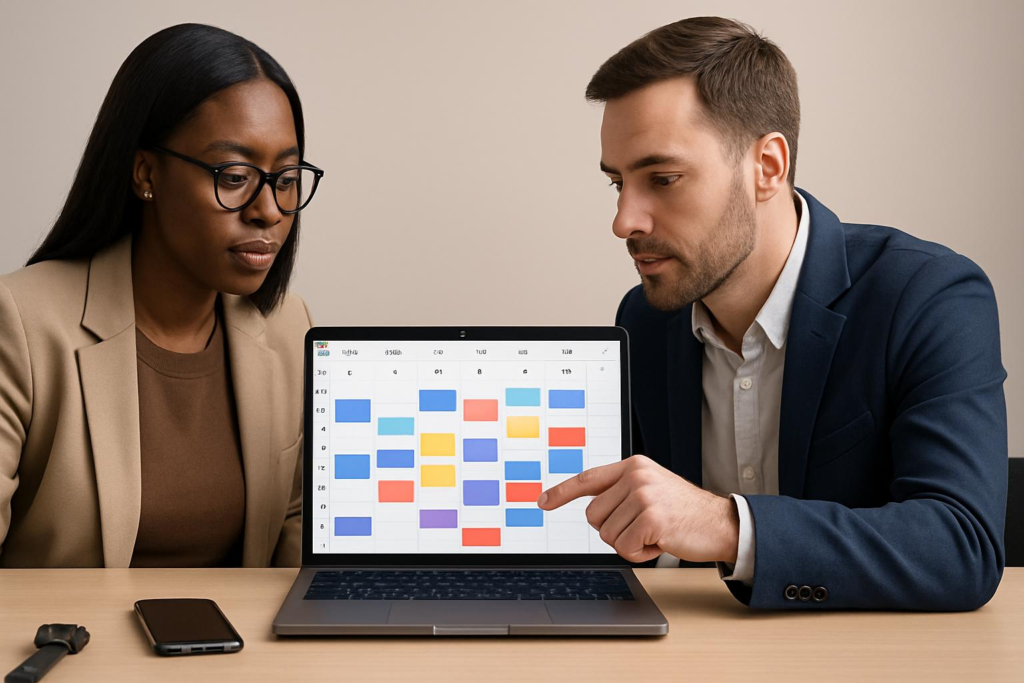
What Does “If Time Permits” Mean?
“If time permits” means that something will be done or considered only if enough time is available. It is commonly used when an activity is secondary to a more important task, meeting, deadline, or responsibility.
For example:
We can discuss the additional items if time permits.
In professional communication, the phrase is already acceptable. However, depending on the situation, you may want wording that sounds more natural, formal, or specific.
7 Professional Alternatives to “If Time Permits”
1. If Time Allows
“If time allows” is one of the most natural alternatives to “if time permits.” It sounds professional while remaining conversational.
Example:
If time allows, we can review the remaining items during the meeting.
This works well in emails, meetings, schedules, and workplace messages.
2. If Time Permits
The original expression is itself professional and appropriate for many business situations.
Example:
We will address any additional questions if time permits.
It is concise and communicates that the activity depends on the available time.
3. If the Schedule Allows
This is useful when you are discussing a meeting, appointment, project, or organized event.
Example:
If the schedule allows, I’d be happy to discuss the proposal in more detail.
It sounds specific because it refers directly to scheduling constraints.
4. Subject to Availability
“Subject to availability” is more formal and is particularly useful when time, resources, appointments, or scheduling are limited.
Example:
Additional consultations can be arranged, subject to availability.
Use this phrase carefully because “availability” can refer to more than time. It may also mean available resources, staff, appointments, or spaces.
5. If We Have Time
“If we have time” is simple and natural, especially in internal workplace communication.
Example:
If we have time, we can also review the final section of the report.
This is less formal than “if time permits,” but it can sound more conversational and approachable.
6. If Time Is Available
This version is clear and slightly more formal than “if we have time.”
Example:
If time is available, we can address the remaining questions at the end of the session.
It works well when you want to make the time constraint explicit.
7. If the Schedule Permits
“If the schedule permits” is a polished option for formal professional communication.
Example:
If the schedule permits, I would be pleased to meet with you later this week.
It is particularly appropriate when discussing appointments, meetings, or additional commitments.

Which Alternative Should You Use?
The best choice depends on your situation and the level of formality you need.
| Phrase | Best Use | Tone |
|---|---|---|
| If time allows | General workplace communication | Natural and professional |
| If time permits | Formal or general business writing | Polished |
| If the schedule allows | Meetings and appointments | Clear |
| Subject to availability | Limited scheduling or resources | Formal |
| If we have time | Internal conversations | Conversational |
| If time is available | Explicit time constraints | Neutral |
| If the schedule permits | Formal scheduling | Professional |
Email Examples
Example 1: Meeting
Subject: Agenda for Tomorrow’s Meeting
Hi James,
We’ll focus on the main project priorities during tomorrow’s meeting. If time allows, we can also review the outstanding questions.
Best,
Sarah
Example 2: Client Communication
Subject: Proposal Discussion
Dear Mr. Ahmed,
I look forward to discussing the proposal with you. If the schedule permits, I would also be happy to review the implementation timeline.
Kind regards,
Daniel
Example 3: Team Update
Subject: Weekly Team Meeting
Hi Team,
We’ll cover the project milestones and upcoming deadlines first. If time permits, we can discuss the additional recommendations at the end of the meeting.
Best regards,
Emma
Example 4: Appointment
Subject: Meeting Availability
Dear Ms. Khan,
I would be happy to discuss the remaining details during our meeting. Any additional discussion will be addressed subject to availability.
Kind regards,
Alex

Is “If Time Permits” Professional?
Yes. “If time permits” is a professional expression and is appropriate in emails, reports, meetings, presentations, and business communication.
The phrase is useful because it establishes a clear priority. It tells the reader that the activity is possible but not guaranteed because the available time may be limited.
For example:
We will review the main findings first and discuss the recommendations if time permits.
This wording makes the priority clear without sounding dismissive.
“If Time Permits” vs. “If Time Allows”
These two phrases have essentially the same meaning and can often be used interchangeably.
“If time permits” tends to sound slightly more formal:
We can address the additional questions if time permits.
“If time allows” sounds a little more conversational:
We can address the additional questions if time allows.
Both are professional. The choice usually depends on your preferred writing style and the formality of the message.
Common Mistakes to Avoid
When learning how to say if time permits professionally, avoid making the sentence unnecessarily complicated.
Avoid Unclear Priorities
If the main task is important, state it first.
Instead of:
If time permits, we will discuss the main project.
write:
We will discuss the main project first and address additional topics if time permits.
Avoid Overusing the Phrase
Using “if time permits” repeatedly can make your communication sound repetitive. Alternate naturally with expressions such as “if time allows” or “if the schedule allows.”
Avoid Using It When Something Is Guaranteed
If you know an activity will definitely happen, there is no reason to suggest that it depends on available time.
Avoid Sounding Dismissive
When communicating with clients or colleagues, explain what will happen first so that secondary topics do not appear unimportant.
How to Say It Professionally in Different Situations
For a meeting:
If time allows, we can discuss the remaining questions.
For a client email:
If the schedule permits, I would be happy to review the additional details.
For a presentation:
We will address the main findings first and cover the remaining points if time permits.
For a manager:
If time allows, I’d appreciate the opportunity to discuss the proposal with you.
For a formal notice:
Additional matters may be addressed, subject to availability.
Final Tips
If you are unsure how to say if time permits professionally, choose the expression that best matches your situation.
- Use “if time allows” for natural, everyday workplace communication.
- Use “if time permits” for polished professional writing.
- Use “if the schedule allows” when discussing meetings or appointments.
- Use “subject to availability” when time or resources are limited.
- Use “if the schedule permits” when you want a more formal tone.
The key is to communicate priorities clearly. A professional message should make it obvious which tasks are essential and which can be completed only if enough time remains.
Read More: If Time Permits Email Example: 7 Powerful Templates
FAQ
Is “if time permits” professional?
Yes, “if time permits” is professional and grammatically correct. It is commonly used to indicate that a secondary activity depends on the amount of available time. It works well in workplace emails, meetings, reports, and presentations.
What is a more professional way to say “if time permits”?
“If the schedule permits” and “if time allows” are useful alternatives. “Subject to availability” is another formal option when scheduling or resources are limited. The best phrase depends on the context.
Is “if time allows” better than “if time permits”?
Neither is universally better. “If time allows” sounds slightly more conversational, while “if time permits” can sound somewhat more formal. Both are professional and can be used in workplace communication.
Can I use “if time permits” in an email to my boss?
Yes. It is appropriate when you want to suggest an additional discussion or task without implying that it is the highest priority. For example, you could write, “If time permits, I’d appreciate the opportunity to discuss the proposal.”
What can I say instead of “if time permits” in a formal email?
You can use “if the schedule permits,” “if time allows,” or “subject to availability.” For formal correspondence, “if the schedule permits” is particularly useful when referring specifically to a meeting or appointment.